The Emergence of Bayshore MRT Station
Bayshore MRT Station is one of the most anticipated stations along Singapore’s rail network, marking a pivotal moment in the transformation of the East Coast. Located along Bayshore Drive and nestled between East Coast Parkway (ECP) and Upper East Coast Road, the station sits at the heart of the emerging Bayshore precinct—an area long recognised for its coastal charm but historically underserved by direct MRT connectivity.
Vela Bay New Launch Condo is right at the foot step of this MRT STATION !
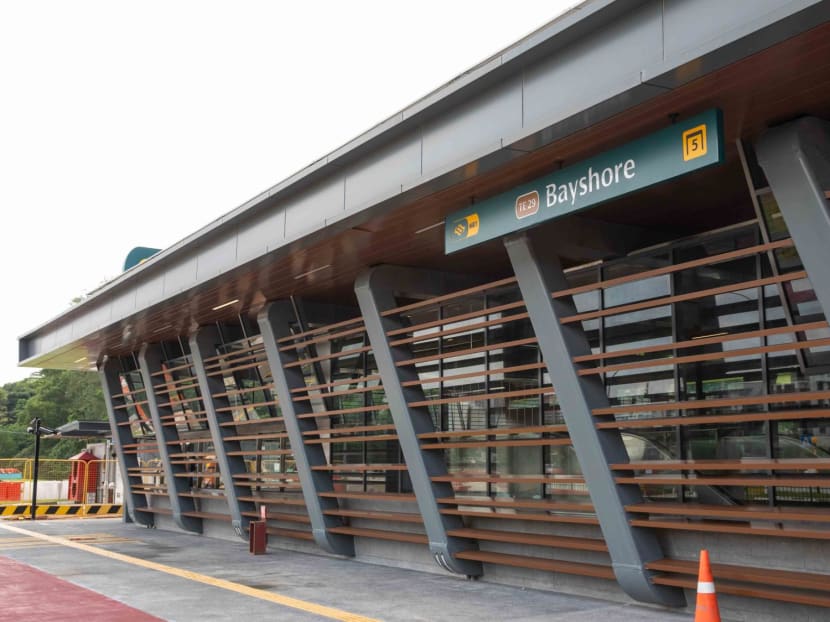
The opening of Bayshore MRT represents more than just a new stop on the map. It signals the arrival of seamless, rail-based access to a district that had relied primarily on road transport for decades. With its introduction, Bayshore transitions from a pleasant but car-dependent enclave into a fully connected, future-ready neighbourhood.
A Key Station on the Thomson–East Coast Line
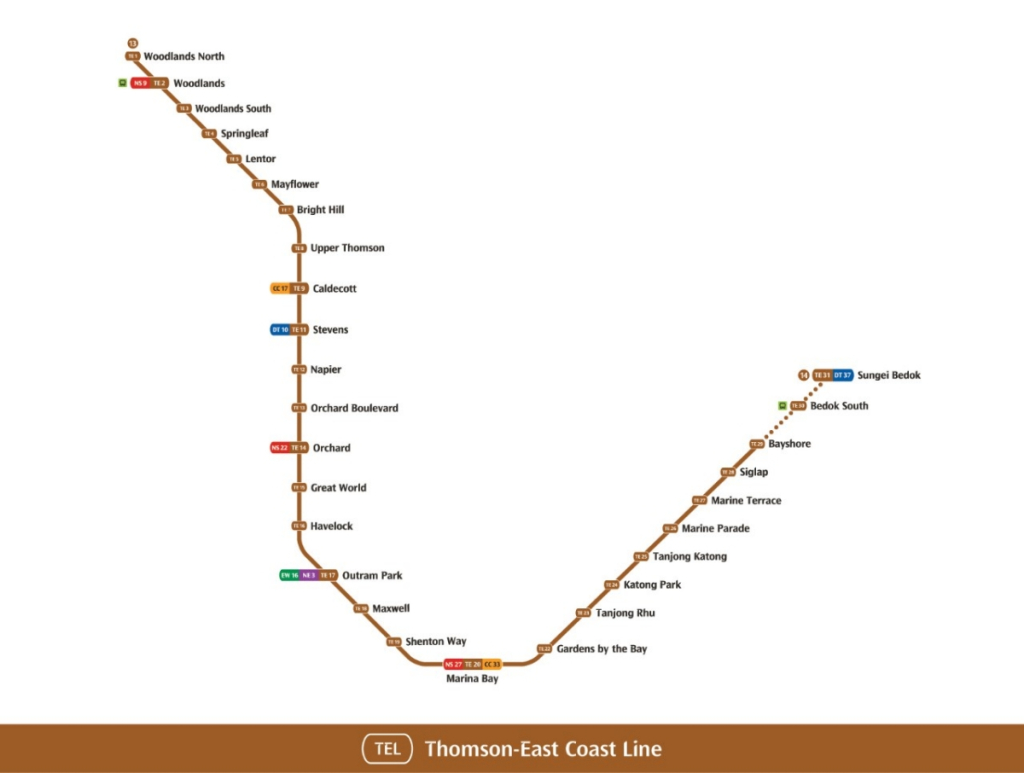
Bayshore MRT Station is part of the Thomson–East Coast Line (TEL), Singapore’s sixth MRT line and one of its most ambitious rail projects. Stretching across the island from the northern residential towns through the city centre and down to the East Coast, the TEL was designed to improve connectivity for underserved corridors while easing congestion on existing lines.
The line directly links the East Coast to major employment and lifestyle nodes, including the Central Business District, Orchard, Marina Bay, and northern growth areas. For Bayshore residents, this means a level of accessibility that was previously unimaginable—shorter travel times, fewer transfers, and a more comfortable commuting experience.
Why Bayshore Took Time — and Why It’s Different Now
For many years, the Bayshore area was deliberately held back from intensive development. Despite its proximity to the sea and established East Coast neighbourhoods, large tracts of land remained undeveloped. This was not an oversight, but a strategic planning decision: the government had long intended for Bayshore to evolve alongside new transport infrastructure.
The construction of Bayshore MRT was a critical prerequisite. With the station in place, the area could be planned holistically—integrating transport, housing, green spaces, and amenities from the ground up rather than retrofitting them later. This approach mirrors some of Singapore’s most successful precinct developments, where MRT connectivity anchors long-term liveability and value.
Construction and Engineering in a Coastal Environment
Building an underground MRT station near the coast presents unique engineering challenges. The Bayshore area sits close to sea level, with soft marine clay and a high groundwater table. Construction required advanced ground stabilisation techniques, careful water management, and precise engineering to ensure long-term structural integrity.
These complexities contributed to the station’s extended development timeline, but they also underscore the level of planning and investment involved. The result is infrastructure designed not just for present needs, but for decades of safe and reliable operation in a coastal setting.
Strategic Location and Everyday Convenience
Bayshore MRT Station occupies a highly strategic position along the East Coast. It offers direct rail access while remaining closely connected to major road arteries such as the ECP. This dual connectivity—rail and expressway—provides residents with flexibility in how they move around the city.
From Bayshore, commuters can travel efficiently toward Marina Bay and the city centre, while also enjoying smooth access to Changi Airport and other eastern nodes. For daily life, this translates into shorter commutes, easier weekend travel, and a reduced reliance on private vehicles.
A Catalyst for the Bayshore Precinct
The arrival of Bayshore MRT has acted as a catalyst for the wider precinct’s transformation. The surrounding area has been earmarked for a balanced mix of public and private housing, complemented by parks, community facilities, and coastal enhancements.
As the first private developments take shape near the station, Bayshore is set to mature into a vibrant waterfront neighbourhood—one that combines East Coast lifestyle appeal with modern urban convenience. This transit-oriented planning ensures that daily necessities, green spaces, and transport are all within easy reach.
Living on the Thomson–East Coast Line
For residents, living along the Thomson–East Coast Line offers distinct advantages. The line is designed with modern trains, spacious platforms, and fully underground alignments that enhance ride comfort and reliability. Stations are thoughtfully integrated with surrounding developments, prioritising walkability and ease of access.
The TEL also reduces pressure on older lines, improving network resilience across the entire MRT system. Over time, this contributes to smoother journeys not just for Bayshore residents, but for commuters across Singapore.
Looking Ahead: Bayshore’s Role in Singapore’s East Coast Future
As Singapore continues to reimagine its coastline through long-term initiatives such as coastal protection and land-use optimisation, Bayshore MRT Station will remain a cornerstone of the area’s evolution. Its presence ensures that Bayshore is not just scenic, but sustainable, connected, and resilient.
In many ways, Bayshore MRT represents the moment the East Coast fully steps into the future—without losing the relaxed, open character that has always defined it. It is infrastructure with purpose: enabling better lives, stronger communities, and a new chapter in coastal living.